

Beginning Narration Challenges

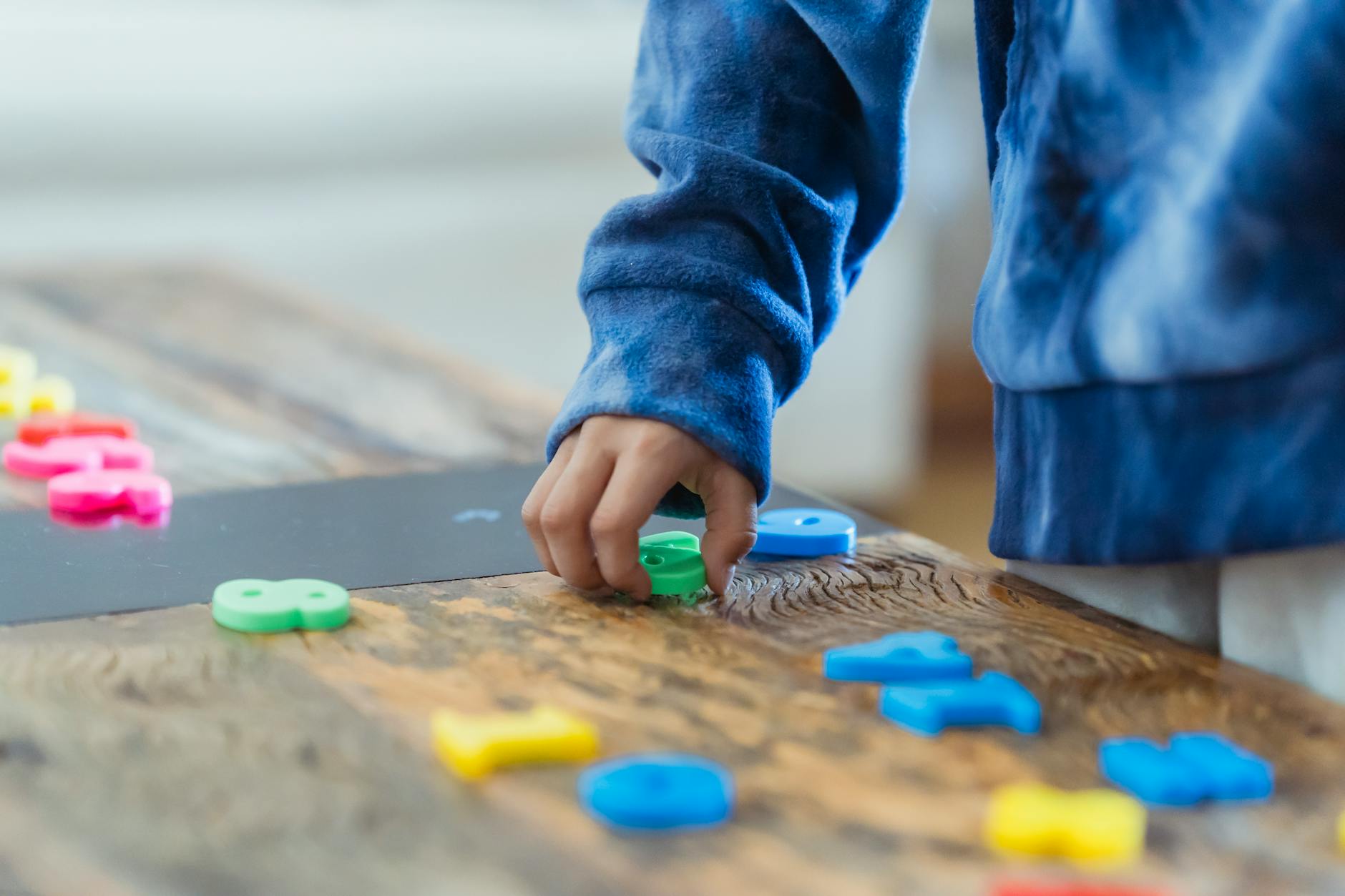
Photo by cottonbro studio on Pexels.com

Narration is a complicated skill, requiring memory, organization, prioritizing, and many more skills. Doing oral narration takes away the stress of having to do the physical writing from a young child, so they can concentrate on composing their thoughts into a coherent message and is an important precursor to more advanced writing and composition in later school years. Unfortunately, sometimes the process gets off to a rough start and it can be hard as a parent to know what to do to help. Having done this a few times, I have some suggestions for getting started.

Short Passages

Use shorter passages for narrations. Aesop’s Fables are great for this, but even these may be too long for some kids, so just read one sentence at a time and ask, “what was that about?” and see if they can do it with very short segments and then slowly, slowly work up from there.

What is your favorite_______?

Instead of asking “tell me everything you remember about tree frogs” try “what is your favorite thing that we read about tree frogs?”. The first one is such a large ask that is can be overwhelming for them to try to organize the information to tell you about it. If “tell me your favorite” gets him talking, follow up with “what else do you remember?” and since they are already talking its easier to keep going. Slowly work up to them telling more information.

Provide a Roadmap

Another thing you can do is give the child a road map for what you are reading. Before you start go over any words he may no know, places or names to remember, etc.Use a white board or a piece of paper towrite them down to help your child remember.

Evaluate for Problems

Lastly, if things aren’t improving over time consider an evaluation with an audiologist for auditory processing challenges, especially if he tends to have long pauses before answering in general, or if he needs directions more than once or can’t do two step directions. Consider educational testing to look for other learning challenges as well.

Grace in the Process

Narration is a very complicated skill, sometimes it takes a while for them to start picking it up, but with enough exposure and little roadmap and some gentle prompts it should start happening soon! Let me know your questions or experiences in the comments!

Home school Moms, It’s Time to Kick Your Inferiority Complex

Great article by Annie Holmquist, home education graduate and education researcher, about how home ed parents are doing better than they think they are, on the Epoch Times

An Easy Start to Your Home School Year

So you have decided to take the plunge– you are going to start homeschooling your kids. You’ve read everything you can get your hands on, you’ve bought all the cute and fun supplies, you’ve told your extended family and tried to calm their concerns, you agonized over curriculum and deciding if your 5 year old should start now or next year…

And now you think you are ready. Before you take that first big step (or really any time after you have already started) I would like to share the very best home education advice I ever got. It’s saved my bacon more times than I can count, and I dearly wish I could remember who originally said it.

“Start out slow, and then ease up”

OK, take a breath and let it out slowly…….. and then read it again.

Start out slow, and then ease up”

For many home educators this is one of the hardest things… there is so much intensity about wanting to do it right and for many people that means doing it all.- if you are willing to put in the time to home educate your kids its a fair bet that you are pretty passionate about the results. And then our anxiety wants us to do it ALL THE TIME.

But doing it all, and doing it all right, and doing it all the time is not actually an attainable goal. If that’s what you are trying to do it will be overwhelming and really hard on the kids, and then they end up hating school. Ask me how I know? I did exactly this and had to learn a new way.

So I invite you to try a different way. If you have a little one just starting school, a few minutes a day is really all that is needed, One of my kiddos was very bouncy and ADHD and literally had an attention span that lasted 2 minutes when we started formal lessons at 6yo. We slowly expanded that to a more age appropriate level over the next few years but we did all the behavioral things to help, plenty of exercise, honored the child’s need to physically move, and slowly stretched it out, slowly adding subjects over weeks and months, and spreading them throughout the day.

Photo by Ylanite Koppens on Pexels.com

If you have older kids and the school year is just starting, you don’t have to jump into every book on the first day. Some of our best years have started with a first day of school tea party, where we reviewed what we are doing for the school year i.e. “this year we are studying the Greeks, and will study life science and learn to use a microscope and write even better than we did last year” and then read some poems and then just let them look at the new books, do an easy assignment or two and then we went to the park.

The next day when we started we just did a couple subjects and every few days added some new subjects/activities until we were at full capacity. After a few days off we would start slowly again, although building back up faster if we had only been off a short time. Slow and gentle takes the bite out of having to get back to work!

Here are some more ideas for an easy start to your home schooling year:

10 ways to start easy this homeschool year

Self Education

Self-education is the only possible education; the rest is mere veneer laid on the surface of a child’s nature. ~ Charlotte Mason