The best home school advice I have ever gotten

Start off slow, and then slow down.

I wish I could remember who gave me this advice waaay back when I first started home schooling my kids but that has faded from my memory over the years. What will never fade is the absolutely glorious revolution following this advice brought to my home schooling efforts!

My kids learned SO MUCH BETTER when their emotional needs were met because I was calm, present and not thinking about getting everything done on my to do list and hurry hurry hurry! But rather focusing on them and enjoying the moment with them. Taking the time to notice the caterpillar with them, letting my daughter put her own shoes on without me rushing her, letting my son have a few moments to process his experiences before moving on. I was so much happier and more calm when I wasn’t rushing to cram everything in…. but how to do this in today’s busy life when everything is coming at you 24/7?

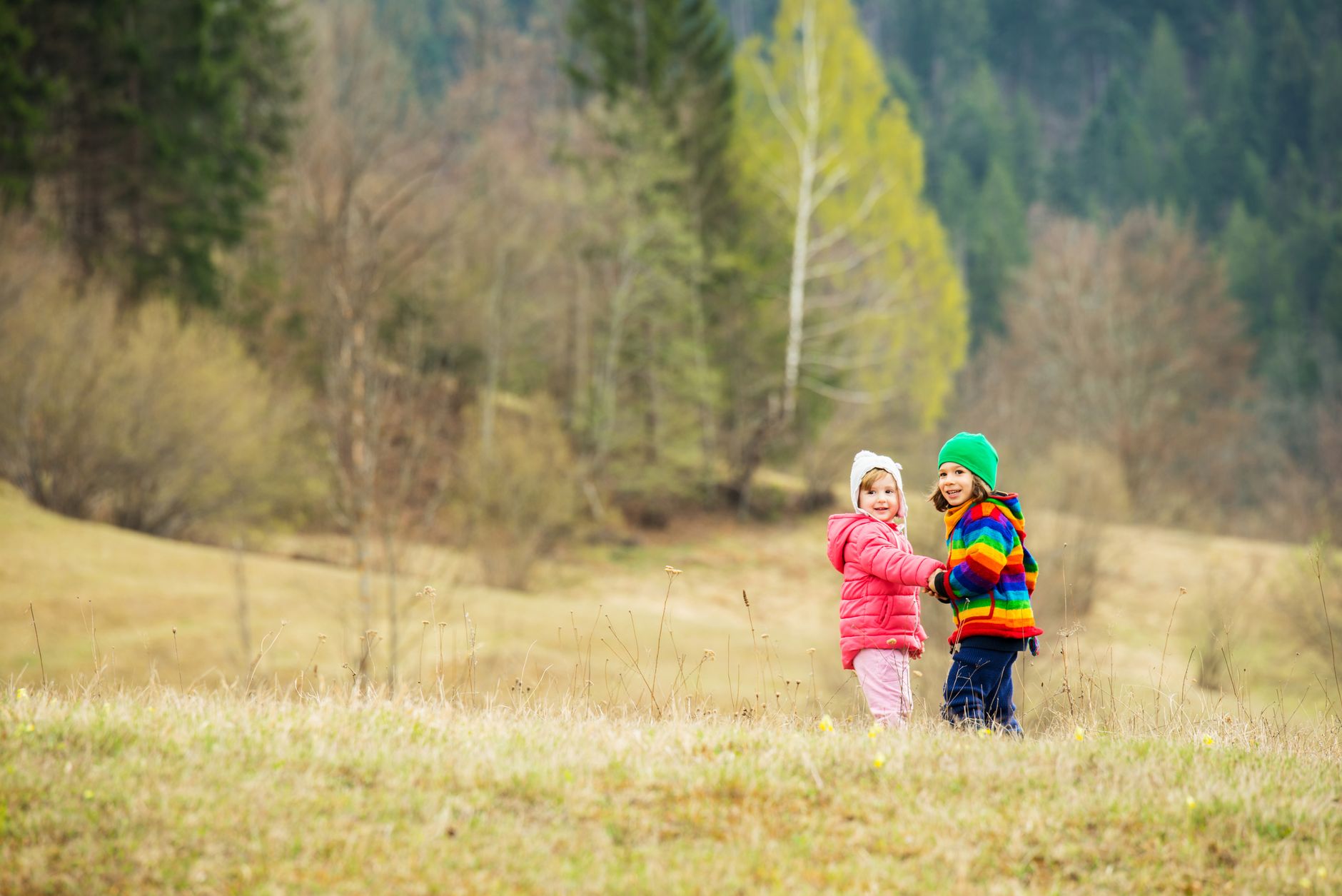
Photo by Blaj Gabriel on Pexels.com

For me, I had to make it happen intentionally. I had to choose not to schedule appointments back to back, but on different days and spaced out. I had to choose to put park days and library days on our calendar to hold the space free and guard that time like it was important, because it is, instead of trying to just “fit it in” when we had a free hour. I had to develop a routine for mornings, and bedtime and meals etc. so the kids and I all knew what was coming next, and things rolled out smoothly. I had to choose less extracurricular activities, and only flexible activities so it if was too much we could just take off. I had to have time frames blocked off for school where we didn’t leave the house, didn’t answer the phone, and just be present and work through the assignments without rushing.

Mostly, I had to be intentional about my mindset, and not allow my anxiety about “getting behind” or “what needs to be done” to put pressure on my kids to hurry hurry hurry!

If you like our content, please like, follow and share!

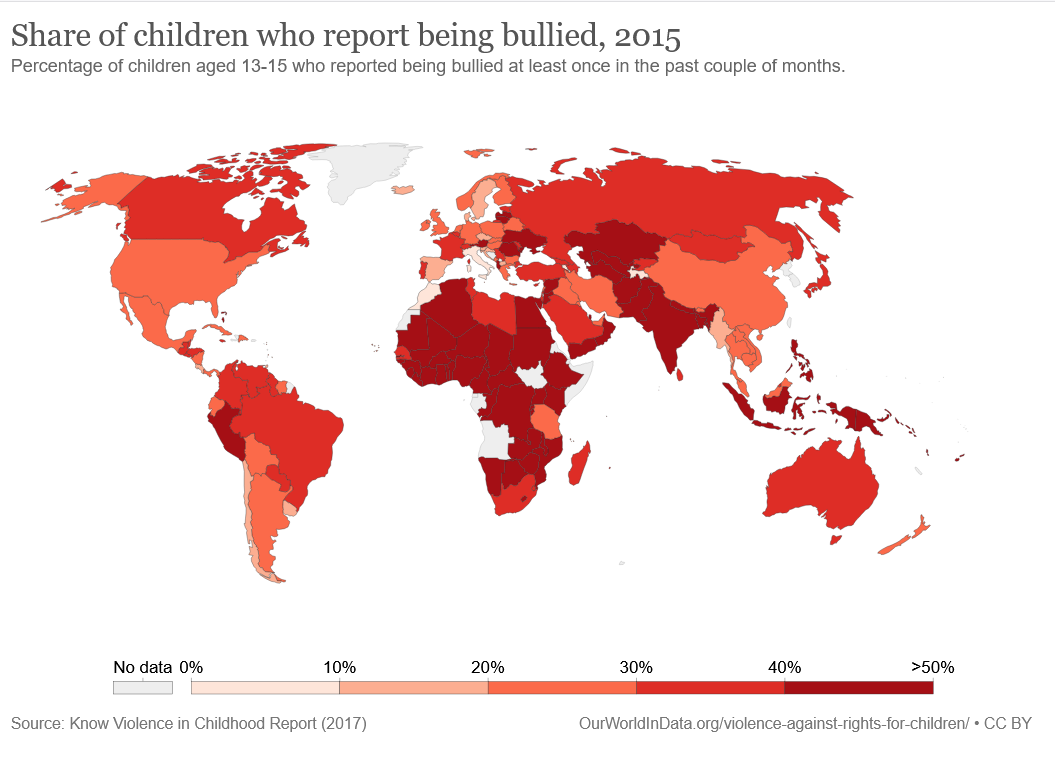
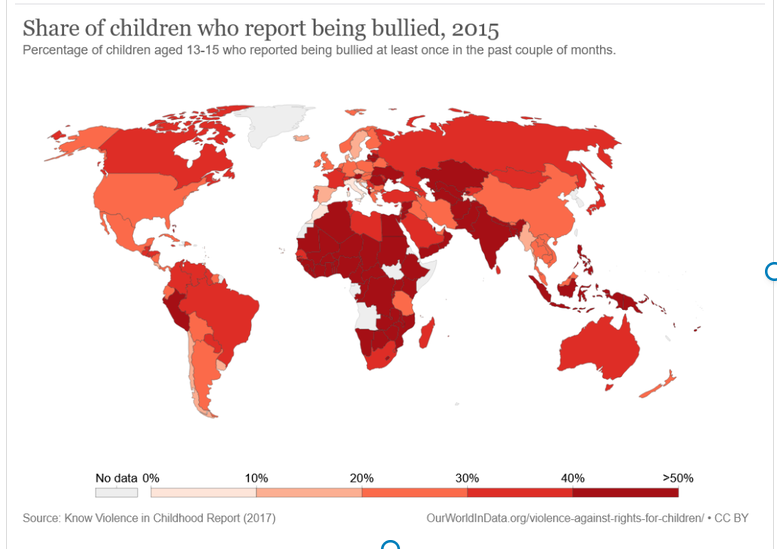
Where in the world are the bullies?

For my family, most of the bullying we have experienced has been in church or Christian social groups. Bullying is the opposite of what Jesus taught and the opposite of how we are called to live as Christians. I’m not bagging on Christians, but I am calling all of us, together, to do better.

Part of my own personal healing from the bullying my family has experienced has been doing a deep dive into the scriptures to see what God says about bullying, and I will say I was surprised by some of what I found. I was curious about the current research about bullying and interestingly enough, it mostly agreed with with scripture. I’ll be sharing what I have found with you over the next few weeks.

Geography and Cooking

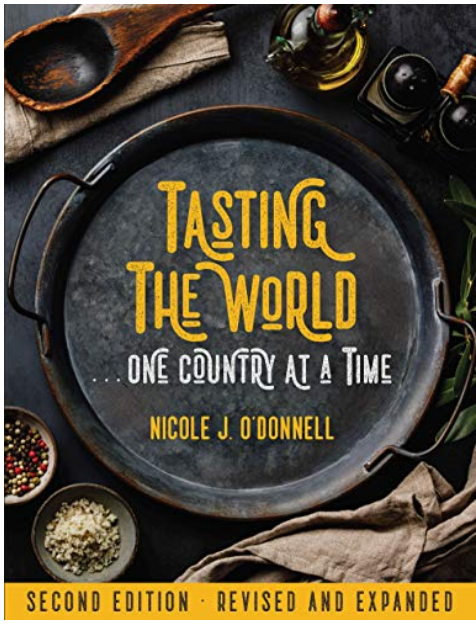
One really fun way to add interest to geography is to cook food that is from the area you are studying. There are many ways to find recipes for local food, but this book has made it so easy! What my family did was to pick a recipe once a month or once a week from the countries we were studying and the kids would help me shop and cook for the right ingredients for a (usually) delicious treat. What is one way you add interest to studying geography?

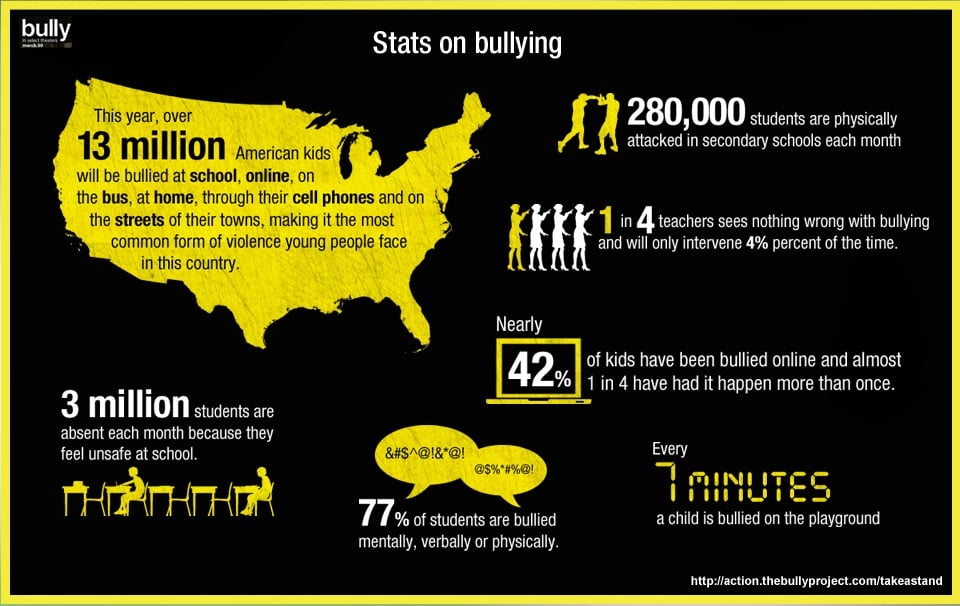
Bullying- how big is the problem, really?

Bullying can result in physical injury, social and emotional distress, self-harm, and even death. It also increases the risk for depression, anxiety, substance abuse, sleep difficulties, lower academic achievement, and dropping out of school for people who are the subject of bullying.

Youth who bully others are at increased risk for substance abuse, academic problems, and experiencing violence later in adolescence and adulthood. 

Youth who both bully others and are bullied themselves suffer the most serious consequences and are at greater risk for mental health and behavioral problems, in addition to all the other consequences.

The thing is, these descriptions don’t begin to paint a picture of the true cost of bullying in terms of relationships, growth, happiness, and even life. Bullying destroys young people’s confidence, curiosity, relationships, and all too often causes them to take their own life right when they are supposed to be learning and growing the most.

The cost is too high. We must act to change our culture to reduce and eliminate bullying, for our kids, and their future.

What do you mean, educational philosophy?

Photo by Esra Kaya on Pexels.com

When it comes to home educating your kids, your philosophy of education is probably the biggest of big ideas, and it will guide everything that happens in your kids education– even if you don’t know what it is or that you have one. Owch!

So lets talk a bit about what a philosophy of education is, and how to chose one that fits for your family, instead of just drifting along with whatever ideas happen to stick. An educational philosophy is like a compass. It describes your goal and how to get there. Charlotte Mason, Montessori, Classical Education, Waldorf, Unit Studies, Eclectic, and Unschooling are some of the philosophies of education that are popular among home educators. Here are some links that describe some educational philosophies:

https://simplycharlottemason.com/what-is-the-charlotte-mason-method/: What do you mean, educational philosophy? https://amshq.org/About-Montessori: What do you mean, educational philosophy? https://www.thehomeschoolmom.com/homeschooling-styles/waldorf-homeschooling/: What do you mean, educational philosophy? https://campfirecurriculums.com/unitstudy/: What do you mean, educational philosophy? https://www.prodigygame.com/main-en/blog/unschooling/: What do you mean, educational philosophy? https://fearlesshomeschool.com/eclectic-homeschooling/: What do you mean, educational philosophy?

So as you are reading through these links, I encourage you to branch out, find other web sites and books that talk about the big ideas of how to teach your kids, and look at what each philosophy values and how they accomplish instilling these things into children. As you read and see different things you will probably find yourself leaning toward certain ideas, and this is how you build your own philosophy. Where the values line up, where the goals speak to you, where you see ideas you know are true and you want to include, that’s where your personal philosophy starts, and you can start to apply the philosophy to your choice of methods and curriculum and educate on purpose.

Without having a philosophy of education we often get swept up in whatever new and shiney fads or ideas come by and we often don’t end up with the end result we wanted. So, share in the comments where are you in your journey with an educational philosophy?

Bullying

There seems to be another epidemic in our culture right now, and its effecting so many of our kids, even home educated kids. The first step in changing this is awareness, so we are doing our part in raising awareness bringing your accurate, helpful information.

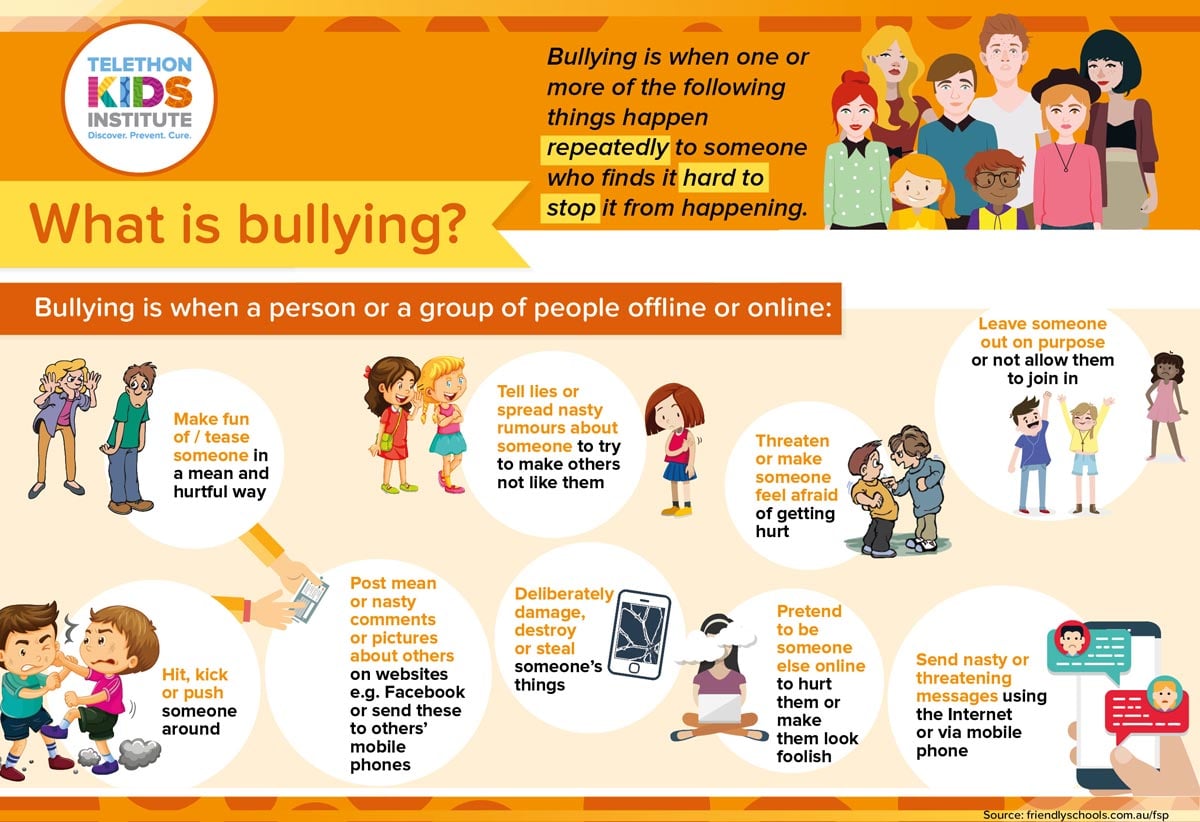
Bullying can happen anywhere– schools, playgrounds, churches, home school groups, or other social settings, including text messaging, online and in apps. Anywhere you find people, there is a potential for bullying, even among adults. The CDC definition confines bullying to youth in school, but I have heard many stories of people bullied on the job, or other youth or adult social settings. Now that we know, we can find ways to do better.

Photo by Mikhail Nilov on Pexels.com

Schedules vs Routines

Photo by Karolina Grabowska on Pexels.com

Routine vs. Schedule, how do you plan your day and week with sooooo many different subjects to cover? How do you stay sane, and not miss important things? Careful planning can help make things flow smoothly and keep everything moving.

A schedule is when you do math at 9AM, PE at 9:40, then at 10:15 is reading. A routine is When you do breakfast and morning chores, and then Language Arts, Math and History in that order every morning.

For our family, schedules seemed to always make me feel like we were failing since something was always knocking us off track.

Routine is what works for my family. Also, the routine that works has been different in different stages. Right now my 2 kids are both in high school and what works for us is for me to give them a list of the required school work for the week and they do it on their own and show me when they are done, with the exception of our together subjects. I am putting our stuff together for next year and we will meet at 10AM with coffee/tea for bible, civics videos, poetry, and any other together subjects.

When they were just littles at 6-7 yo I anchored each subject to a part of our day that we already were doing so that when my little ADHD kiddos (or me!) got off track we could pick back up again with check points built into the day already. Read aloud history as they finished breakfast, then play time, handwriting practice after morning snack, then play time/outside, math after lunch, then play time, read aloud literature before nap, etc. It worked really well in those yearly years.

Eventually, as they became older elementary ages we had to change it up and do school in two blocks, morning and afternoon because it became to hard to get back on track when we had play time between each subject… even though that had been optimal when they were much younger.

So test is out and be ready to adjust to the needs of your kids as they change with age, and your own needs. It has to work for mama too. 🙂

What are you doing now for a schedule/routine, and how is it working for you? Let me know in the comments!

July 4th– Independence Day

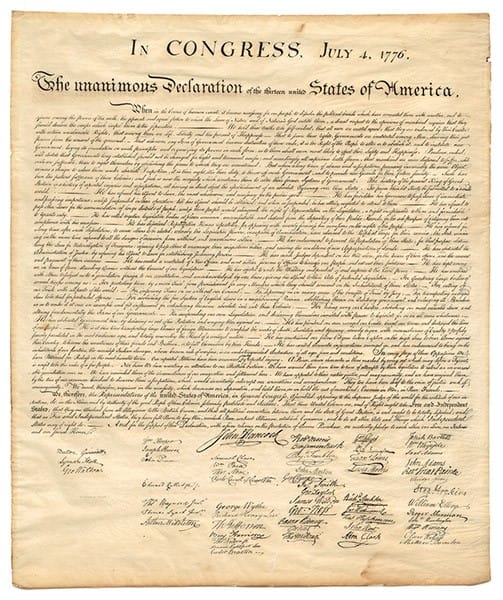
We celebrate this amazing document that was the first of it’s kind in history. For the first time a group of people decided to take a stand for this important truth– all people are created in the image of God, are of equal worth and value, and have the same right to life, freedom, and to pursue happiness. It wasn’t perfect by a long shot but it was the a significant step in the right direction. Since that time Americans haven’t always done right by these high ideals…. Ending slavery, ending racial discrimination, women’s rights, etc have been too slow to come. BUT they have come in large measure, and more are coming. Truth has been on the march since 1776. We aren’t done yet, and we won’t stop until we all can live in these truths… All men (and women) are created equal. It might not be until we are in heaven, literally, but, God willing, we will continue moving in the right direction together as one people, under God. This 4th of July my prayer is that we don’t lose sight of our past, and how we got here. Our path forward and our goal only makes sense when we can see where we started and how far we have come and have yet to go.

Old Books, New Books, Living Books

Photo by Alexander Grey on Pexels.com

You are ready to begin your Charlotte Mason Home School journey and there’s so much to learn! One of the big ideas to stump many people is living books. Are all living books old? Are all old books living books? How can I tell a living book from one that is not a living book. What the heck is twaddle? Are all new books twaddle? Where do I find these elusive Living Books?

You aren’t alone in your confusion. We all pretty much have to go through this learning process, and figuring it our for our selves, because what is good for one person may not fit for the next person, so the definition of Living Books is as individual as your family. An example that stands out is my daughter being annoyed while going through a Roman history book where everything was about a battle and boooooring. It was absolutely dead to her. For my son, a book with heroes in battle is the ultimate living book, so he liked that part. While all living books have some things in common, not all books grab the imagination of all people, so we have to find what fits our home, and our kids and ourselves.

Defining Terms

Living books are books written in a conversational, narrative manner, that appeals to the reader in a friendly or even confidential way. The language used is accessible and understandable, but not dumbed down. The ideas or story are presented clearly, so that you can picture the events or facts in your mind in a memorable way. Other words that describe Living books could be wholesome, engaging, healthy and edifying. Living books encourage the reader to learn more or about the story or topic and to think and have opinions and emotions about the issues and events that have been presented.

Sometimes its easier to describe what something isn’t rather than what it is. Living books are not dull, dry or boring. Living books generally do not blatantly preach a specific point of view, but can often show an argument in favor of a specific point of view so well that the reader does become engaged with the point of view of the author. Living books do not encourage or glorify vice, disrespect or unhealthy thinking or life choices.

A Word About Non Fiction Books

Usborn or Eyewitness DK type books with great photos and short factual text blurbs can be fascinating to browse through, but as they are not written in narrative form, they are not generally considered Living books. If your children are used to many of their books being in this style of books, they may well have a big adjustment to living books because its a whole different style of writing and requires more thinking and understanding. These photo heavy books can be valuable learning experiences because of the amazing photography or charts/drawings, and information presentation, but they not living books.

Twaddle

The Oxford dictionary define twaddle as

trivial or foolish speech or writing; nonsense”

So twaddle in our usage is any nonsensical book that doesn’t spark joy, Some people think Dr. Seuss wrote twaddle, other people think Dr. Seuss wrote living books because of the rhyming, humor and engaging although simple stories. Some people think that Captain Underpants books are twaddle because they are not uplifting. Other people think the silliness and humor make them living books. As parents and stewards of our children, its up to us to decide where we draw the line.

Where to Get Started

There are many places to look to get you started on living books. Newbery and Caldecott award winning books are often wonderful living books. The website https://www.livingbookslibrary.com/ has a lot of good suggestions as well. Your local librarian often will have book suggestions by age or reading level and can help you find what you are looking for. Finally the Book Honey for a Child’s Heart by Gladys Hunt is a wonderful place to find more living books for your family.

Get Started Now!

So my best suggestion for you is to get started now! Don’t wait to find the perfect book but just get a couple that look good from Amazon or the library and see what you and your kiddos think, and go from there. Its much easier to steer a moving ship than to steer one that is standing still. 😀

I would love to hear how this process is going for you. Let me know in the comments!

Beginning Narration Challenges

Photo by cottonbro studio on Pexels.com

Narration is a complicated skill, requiring memory, organization, prioritizing, and many more skills. Doing oral narration takes away the stress of having to do the physical writing from a young child, so they can concentrate on composing their thoughts into a coherent message and is an important precursor to more advanced writing and composition in later school years. Unfortunately, sometimes the process gets off to a rough start and it can be hard as a parent to know what to do to help. Having done this a few times, I have some suggestions for getting started.

Short Passages

Use shorter passages for narrations. Aesop’s Fables are great for this, but even these may be too long for some kids, so just read one sentence at a time and ask, “what was that about?” and see if they can do it with very short segments and then slowly, slowly work up from there.

What is your favorite_______?

Instead of asking “tell me everything you remember about tree frogs” try “what is your favorite thing that we read about tree frogs?”. The first one is such a large ask that is can be overwhelming for them to try to organize the information to tell you about it. If “tell me your favorite” gets him talking, follow up with “what else do you remember?” and since they are already talking its easier to keep going. Slowly work up to them telling more information.

Provide a Roadmap

Another thing you can do is give the child a road map for what you are reading. Before you start go over any words he may no know, places or names to remember, etc.Use a white board or a piece of paper towrite them down to help your child remember.

Evaluate for Problems

Lastly, if things aren’t improving over time consider an evaluation with an audiologist for auditory processing challenges, especially if he tends to have long pauses before answering in general, or if he needs directions more than once or can’t do two step directions. Consider educational testing to look for other learning challenges as well.

Grace in the Process

Narration is a very complicated skill, sometimes it takes a while for them to start picking it up, but with enough exposure and little roadmap and some gentle prompts it should start happening soon! Let me know your questions or experiences in the comments!