
I’d like to talk about bullying, and what to do about it.
The CDC has studied bullying and defines it as any unwanted aggressive behavior(s) by another youth or group of youths, who are not siblings or current dating partners. It involves an observed or perceived power imbalance, and is repeated multiple times or is highly likely to be repeated.
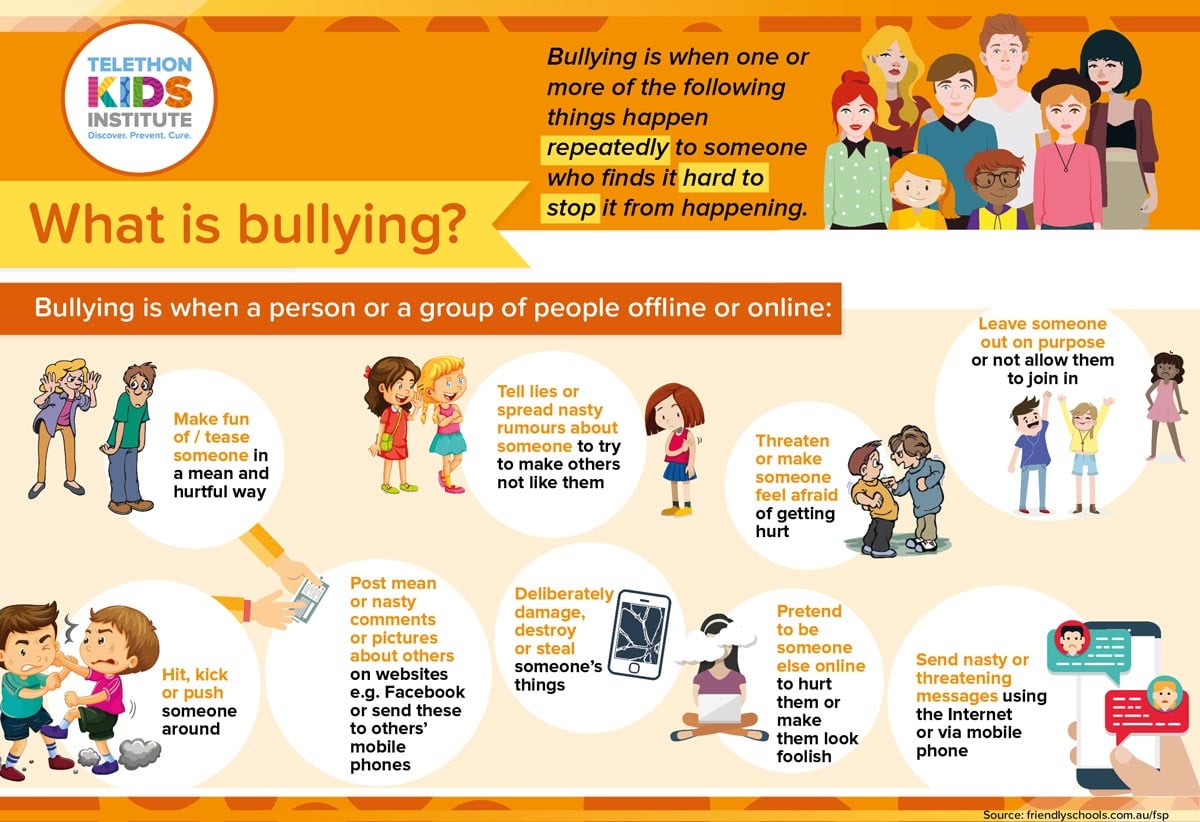
Bullying can happen anywhere– schools, playgrounds, churches, home school groups, or other social settings, including text messaging, online and in apps. Anywhere you find people, there is a potential for bullying, even among adults. The CDC definition confines bullying to youth in school, but I have heard many stories of people bullied on the job, or other youth or adult social settings. Bullying may look a lot different in adults but it certainly exists and is harmful.
Bullying can result in physical injury, social and emotional distress, self-harm, and even death. It also increases the risk for depression, anxiety, substance abuse, sleep difficulties, lower academic achievement, and dropping out of school for people who are the subject of bullying.
Youth who bully others are at increased risk for substance abuse, academic problems, and experiencing violence later in adolescence and adulthood.
Youth who both bully others and are bullied themselves suffer the most serious consequences and are at greater risk for mental health and behavioral problems, in addition to all the other consequences.
The thing is, these descriptions don’t begin to paint a picture of the true cost of bullying in terms of relationships, growth, happiness, and even life. Sometimes people hurt so much from being bullied that they end their life. At the very least they lose opportunities. The loss is too much. We must change our culture to reduce these losses.
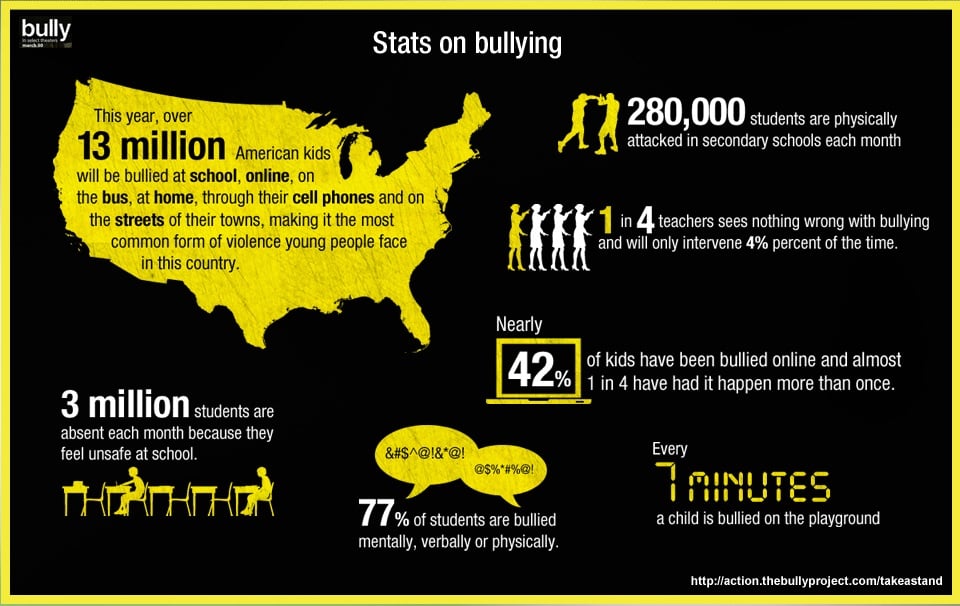
In a survey done annually the CDC reports that on average around 20% of students say they have been bullied at school in the last 12 months. 16% of students report being cyber bullied in the last year. Unfortunately there are no statistics available for other places bullying has been known to take place such as social groups or churches, but anecdotal evidence shows that anywhere people gather there is potential for bullying.

For my family, most of the bullying we have experienced has been in church or Christian social groups. Bullying is the opposite of what Jesus taught and the opposite of how we are called to live as Christians. I’m not bagging on Christians, but I am calling all of us, together, to do better.
Part of my own personal healing from the bullying my family has experienced has been doing a deep dive into the scriptures to see what God says about bullying, and I will say I was surprised by some of what I found. I was curious about the current research about bullying and interestingly enough, it mostly agreed with with scripture.
The lessons I have compiled below came from my journey to understand how God sees bullying and can be used for personal study, group study for adults, youth or children. If you want to use them for your group and would like help adapting them for your specific situation please let me know! I would love to be able to help you adapt them to your situation. They are copyrighted, but I am happy to share them with proper credit given.
Each topic builds on the information before it, so please work through them in order.
How did Jesus handle conflict? To understand, we must start at the beginning, and see things the way God sees them.
Topic: See people the way God sees them: each made in the image of God.
How does God see us? God sees us as a reflection of Himself, in all His Glory, Goodness and Grace. Take a look at Genesis 1:26-27.

God crafted every tiny detail from our finger prints to our favorite flavor of ice cream. Take a look at Psalm 139:13-14.

So here we are, bopping through life in the image of God Himself, and eventually we bump up against other people, and all the sudden we have conflict. Conflict often happens in relationships or when we “bump” up against other people. What is conflict?
Conflict happens when our wants, needs, or judgements do not align with someone else’s, and it causes friction. Friction is when 2 things rub together and it slows them both down, preventing or limiting movement; Friction can produce heat, and wear down (damage) the objects… now think about how that applies to people.
Not all conflict/friction is bad. Sometimes it helps us see things more clearly or clarifies what we really think or feel. Sometimes conflict reveals sin, so we can deal with it the right away.
Proverbs 27:17-20 New International Version (NIV)
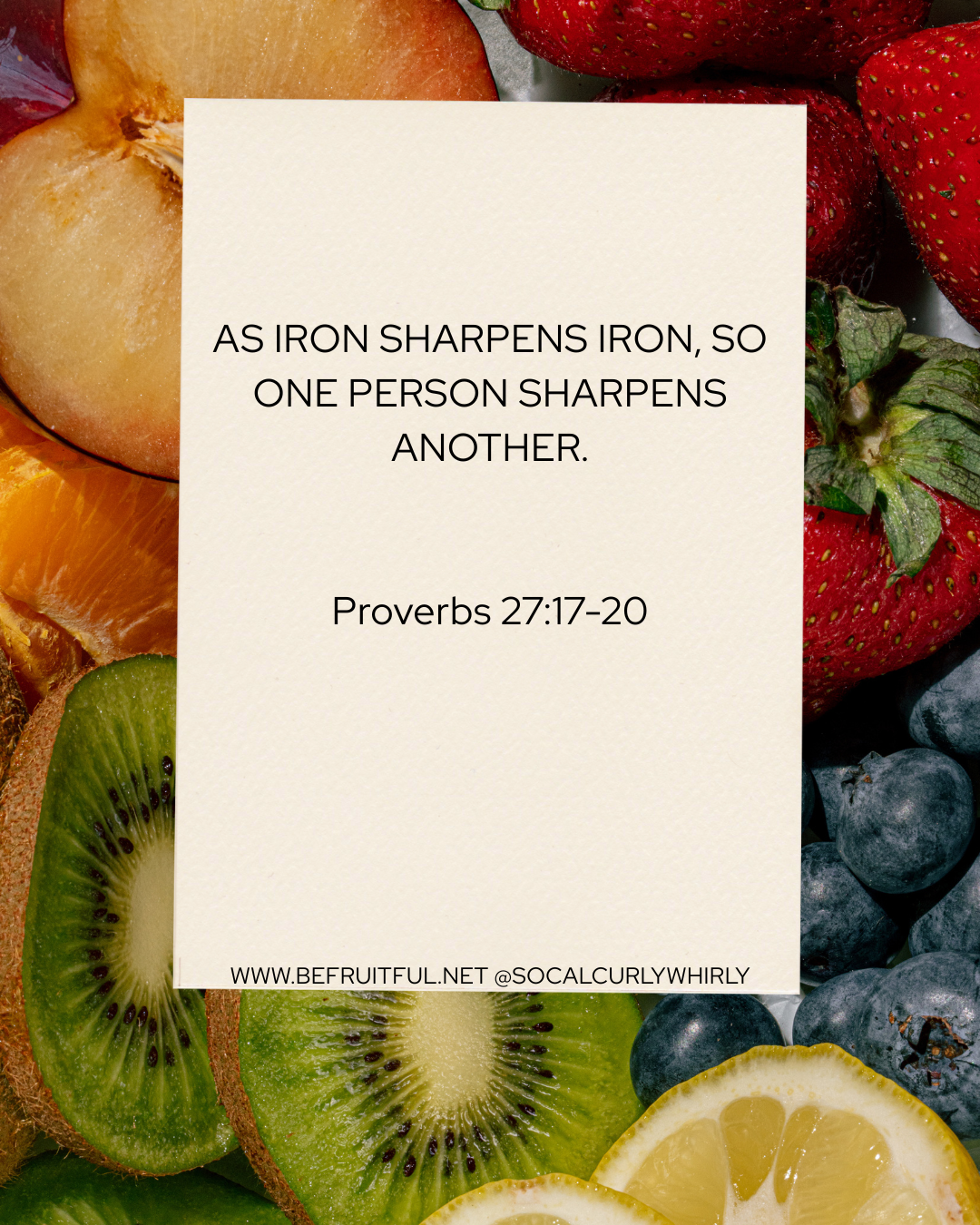
As iron sharpens iron, so one person sharpens another. Here are some examples of what this might look like:
- One friend hurts another’s feelings, both grow by talking it over, learning to be humble and admit mistakes/forgive
- Working on a project with someone who has strong opinions that you do not always agree with, both people learn with see the other side and compromise when appropriate, and to advocate for their own needs, wants and opinions.
- One person makes bad life choices, and their friend tries to warn them. Later the first person returns to their friend having understood their mistake and the friend welcomes them back and forgives/is gracious and doesn’t hold it against the first person, helping to restore what was lost.
Conflict becomes harmful when that friction produces heat and someone gets (emotionally or physically) burned. Friction that comes from conflict can also become a problem when someone gets worn down and breaks mentally or physically. Conflict/friction is not good when it prevents motion- people can’t grow or do what God designed them to do when they are stuck and immobile.
To reduce harmful conflict we need to create a culture of dignity, respect and grace among our community, school, family and friends. Each one of us is a reflection of God in all His glory and creativity and infinite worth, and so deserve dignity and respect. Jesus died to bring each of us grace, dignity and respect. There are no disposable humans, and there are no irredeemable sins (aside from blaspheming the holy spirit). If God doesn’t reject anyone just for who they are, why should we?
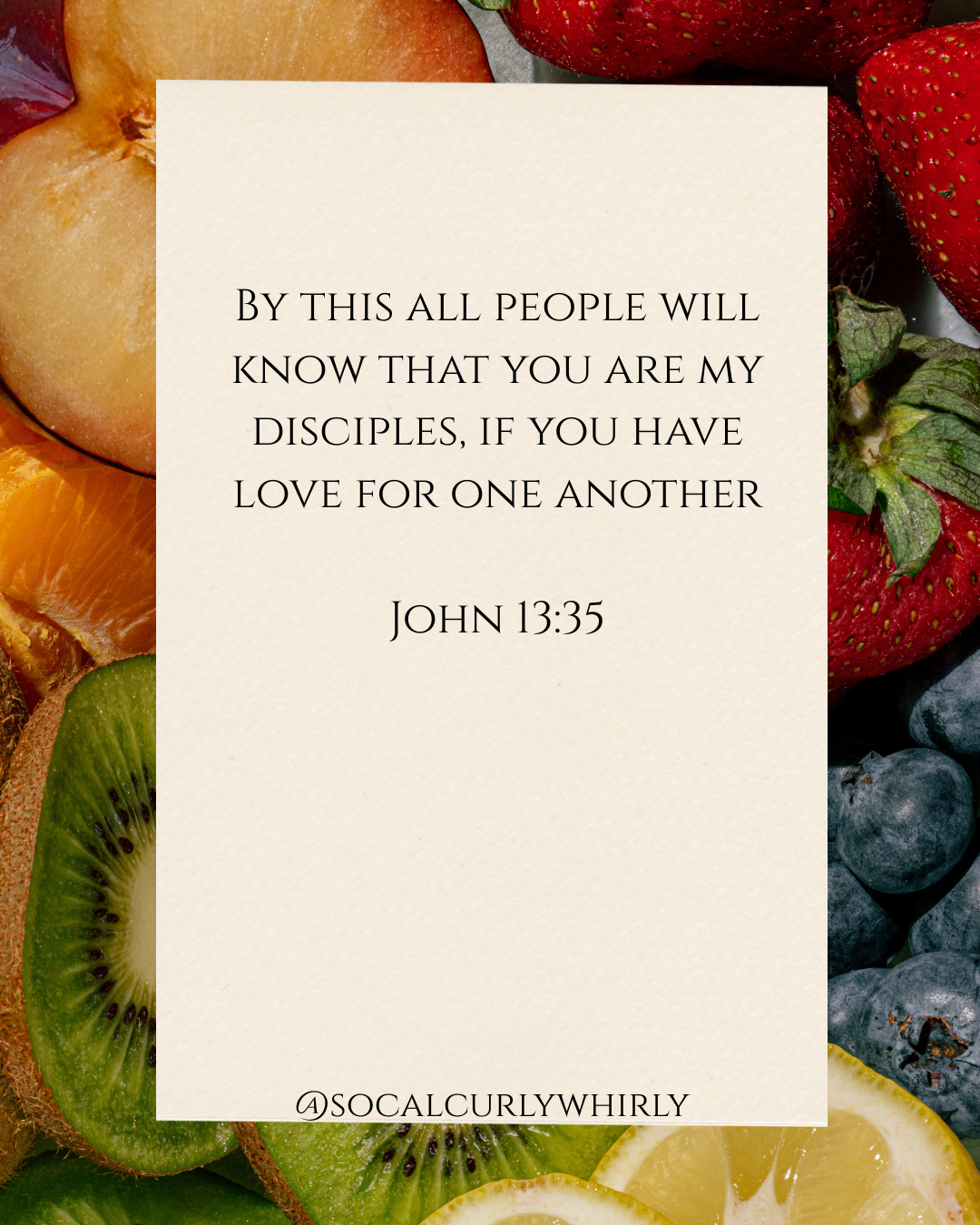
Jesus said we will be known by others by our love for each other John 13:35, so how we live this out, the love and the conflict makes a big difference!
Conflict, drama, harassment, bullying, physical aggression- each of of these require a different approach, but can all come from the same starting point– understanding and teaching the basic dignity of each person and how to navigate when things don’t go as well as we hoped.
At the very least, as Christians we cannot be blessing God and cursing people from the same mouth. Take a look at James 3:9-10
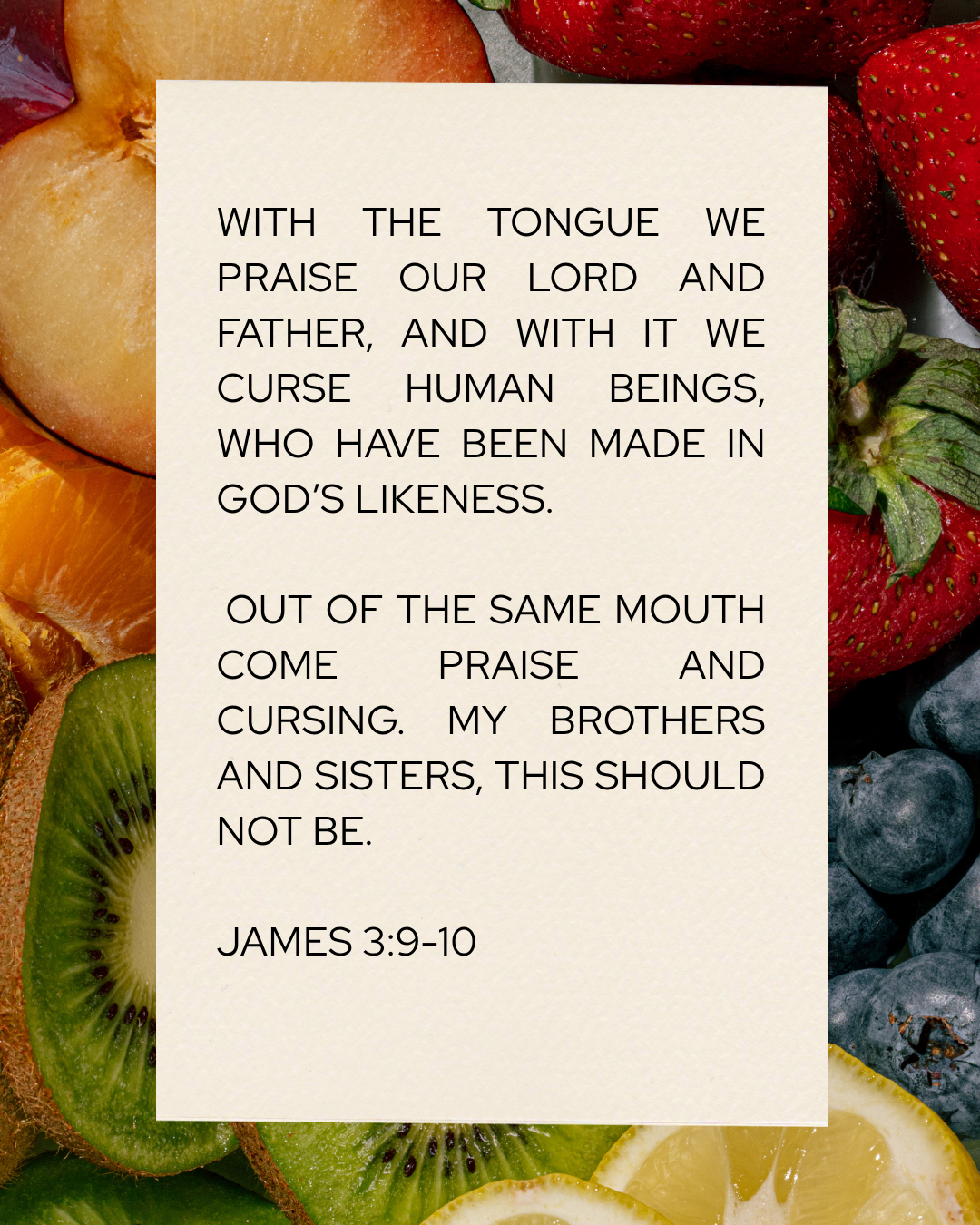
Paul is very clear on this. If we honor God as God, we cannot disrespect humans who He made in His image. We are to show love and grace to all.
Activity:
Small groups– each person names one positive trait of the person sitting to their left. Try to name character qualities or biblical traits rather than physical attributes.
Topic: How do we create a culture of lovingkindness in our homes and communities, that extends grace and connection to each person?
Communicate the standard. Teach and talk daily about how we are all (even those who seem other or less, such as disabled people, the clumsy, the cringy, the weak, the vulnerable, the mentally ill, homeless people, drug addicts, etc. are all created in the image of God. Ask yourself what does that mean in context of your life, today?
Talk daily about how Jesus called us to be known for being loving toward one another. These conversations should be part of daily life and repeated frequently with purpose and plan.
Make statements such as “In our (family, school, group, church etc) we (honor, respect, show grace, give second chances, include others, show kindness, etc) to each other, in order to honor God.” Encourage this thinking and have the conversations and it becomes part of your (family, group etc) identity.
Live the example. Let them see you and other people they respect living out this kind of love for others, no matter the age, ethnicity, disabilities or religion of the people you encounter. Include people, even if you never met them before. Reach out to people who may have become distant, reach out to people who may make you uncomfortable, and most importantly don’t push “them” away, instead include everyone. When youth hear the standard and see you carrying it out, the Holy Spirit has room to move and they will be inspired. But first, you live it.
Ask God in prayer to show you any changes you need to make in your own thoughts or behaviors. Ask a trusted friend or mentor to help you discern any areas that need attention in your own life. Ask for insight into group dynamics and how to respond.
Praise (publicly) when someone starts showing the loving, kind, respectful behavior we are hoping for, and focus more on the effort and attitude than the specific acts, or else you invite legalism and performance for attention/status. When they are kind and loving to other people they are showing how they themselves are made in the image of God, and we want to recognize and rejoice over that beautiful fact. Focus on character development
When someone misses the mark, (privately whenever possible) call that out also. With love and grace, not punishment, let them know that they are missing the mark. Gently guide them toward the way they should go. Speak the truth in love, and call them up to the better way.
Don’t let small things slip by…. Diligence in the beginning leads to a solid foundation and much easier maintenance as time goes on. Resetting from a bully promoting culture takes time and is swimming against the stream. Always be on guard for little attitudes to slip in and start bringing down your community/family. Be prepared to deal with it when minor slip ups or errors become defiance or bad attitude.
Activity:
Before the lesson starts brainstorm with students what they want their group to look like, and compare in to God’s design afterward, seek youth buy in for God’s design.
Examples for God’s design: inclusive, kind, joyful, healing, growing in numbers and spiritually, forgiving, grace.
Topic: If we truly are made in the image of God, and we want to worship Him, our response should be to love our neighbors and seek out connection with others, just as He does with us.
This command has 2 parts
- love your neighbor
- as (you love) yourself
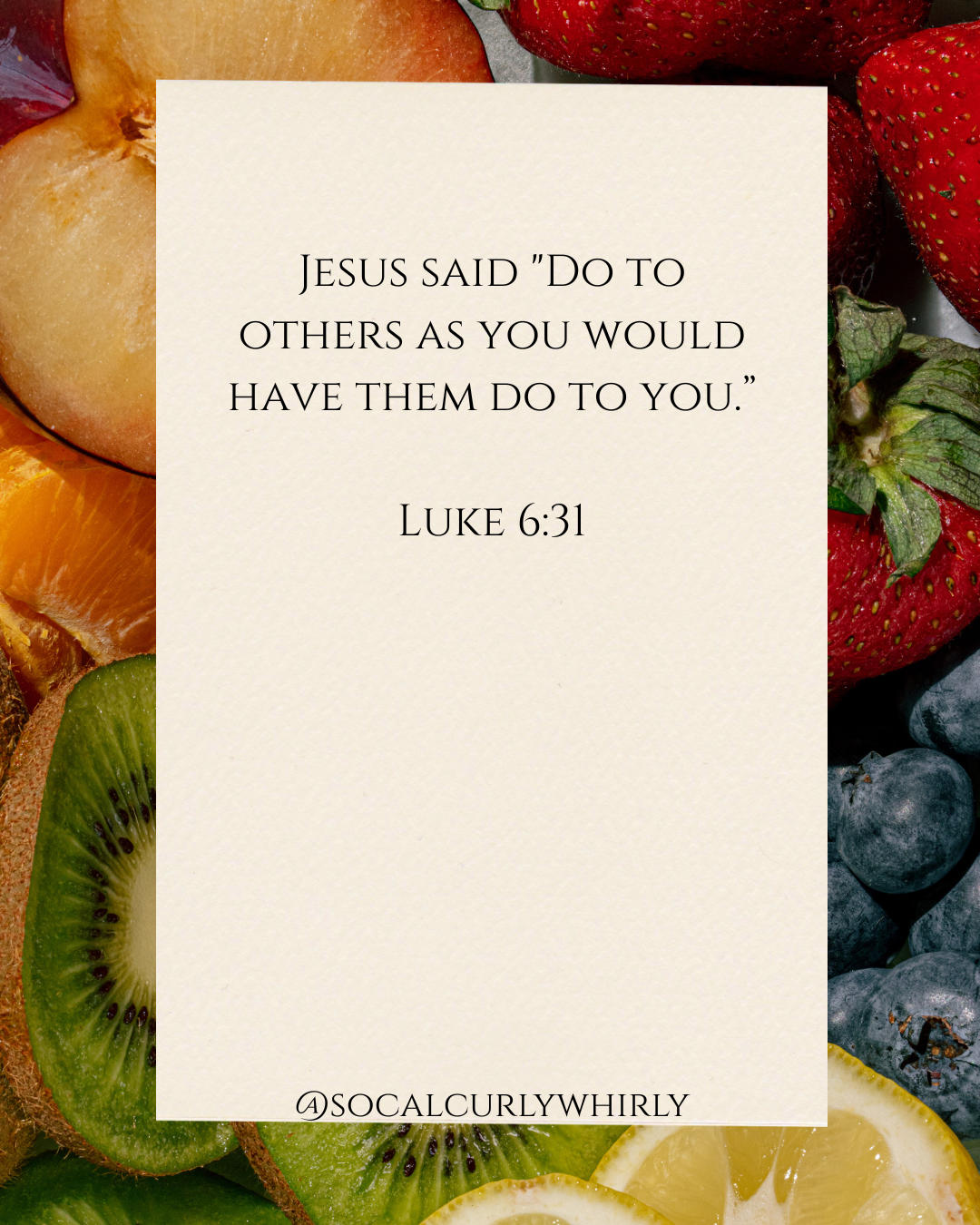
The same dignity, the same concern for comfort, the same honor you would like for yourself should be given to others. If giving honor and dignity doesn’t go both ways it is not what God is asking for…. It is not a healthy relationship. Debasing ourselves and glorifying other people refuses to recognize our own worth, our own reflection of God’s image and will lead to unhealthy relationships.
As we seek to love others, we may find ourselves uncomfortable or “giving our all” in a healthy– or an unhealthy way. It is important to both give honor to others, and honor God’s image in ourselves for healthy relationships.
Activity:
Topic: God is calling us to relationship
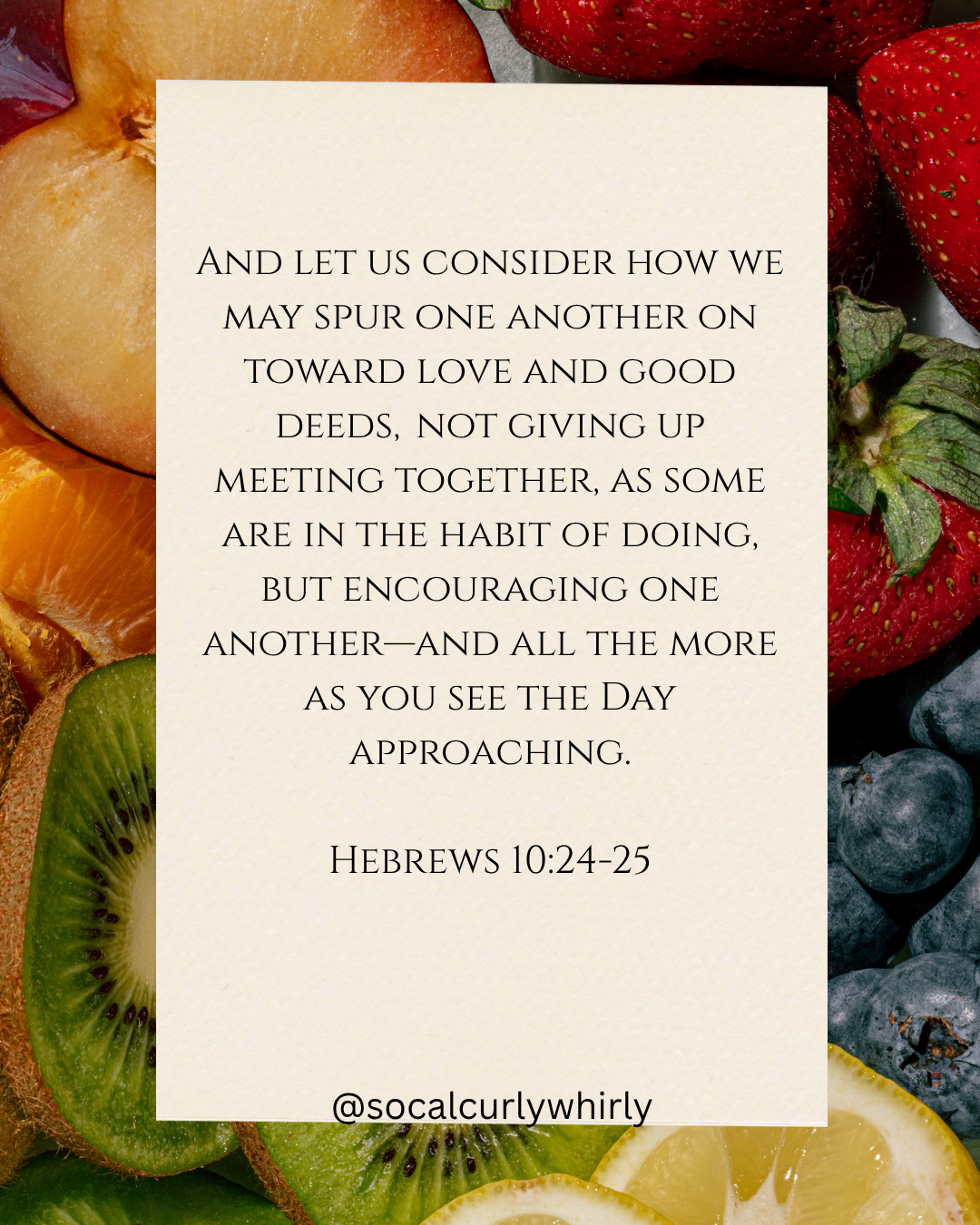
Meaningful things happen in relationship. Salvation, spiritual growth, academic and social learning etc. We are wired to be this way because God IS relationship– 3 parts Father, Son and Holy Spirit all interacting and working together.
As we are made in His image, we have 3 parts also, Mind, Body and Spirit which all interact with each other and create who we are. This is one way that we reflect the image of God. God created human beings for relationship with Himself, so naturally we are wired to function best in relationship (and not at all without it!)

Activity:
Topic: What does it look like to love your neighbor? The Good Samaritan
As we learned last lesson, God is calling us to relationship, so how does God want us to respond when we see someone who has been hurt or has needs?
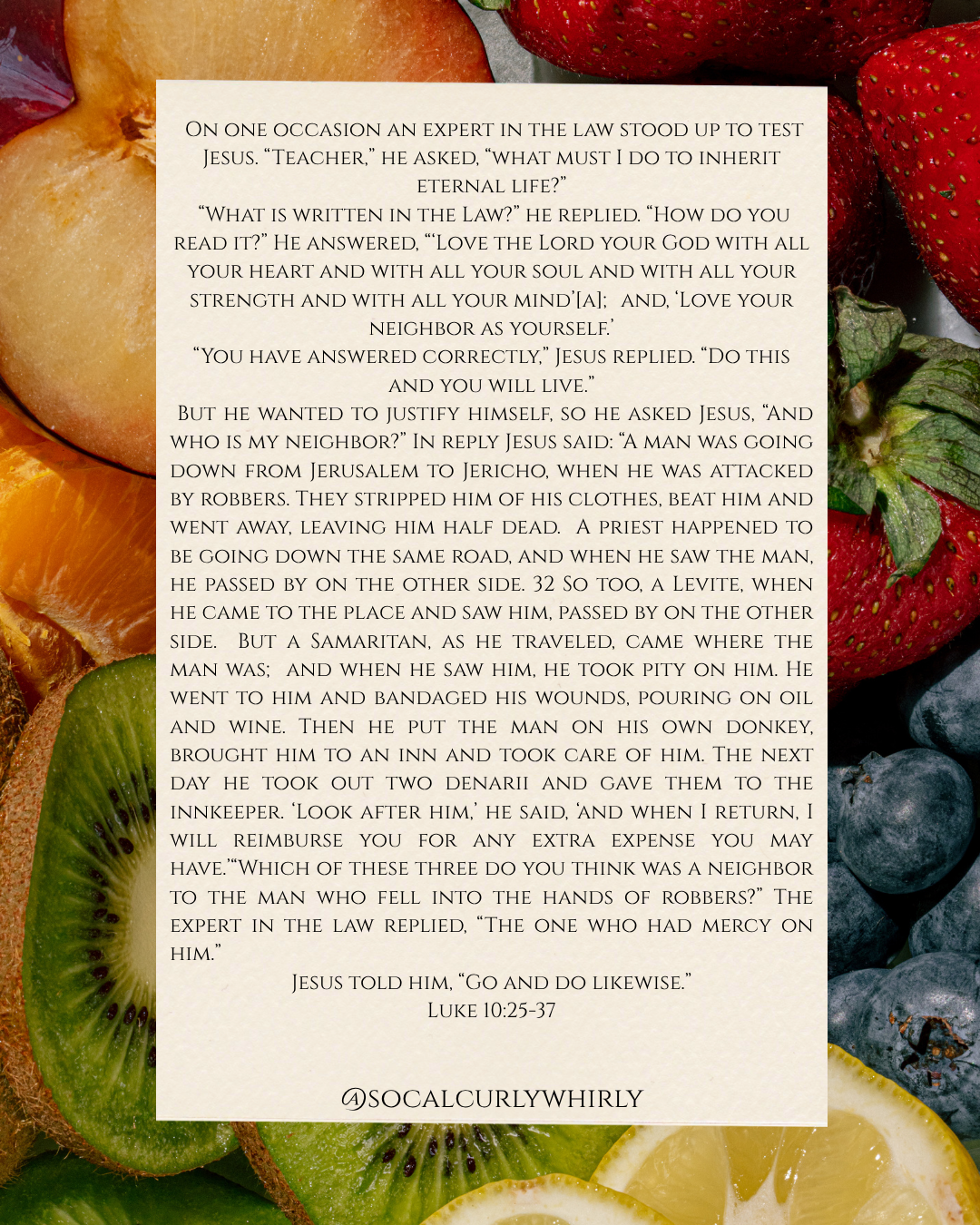
Some observations from Luke 10 about how God wants us to relate to others who are hurting, or who have needs:
- You go out of your way to help
- You lead with kindness
- You respond to their actual needs not just throwing money at the problem or a one size fits all solution
- You dig in to your own resources and give generously
- You are patient with inconvenience
- You keep on the case until it is resolved even if it isn’t convenient
- You bring in other people to help finish the job as needed
Activity:
Topic: Turn the other cheek? What does that even mean?
Matthew 5:39
In “On Turning the Other Cheek (and How It Doesn’t Mean What You Think It Means),” Corey Far explained that a slap on the right cheek meant the soldier backhanded the Jews, which was a far more demeaning slap. “It was degrading,” he said. “It was what you gave to an inferior or a slave.” To not break down emotionally and simply turn the other cheek meant that the soldier couldn’t slap you again on the right cheek, and, Farr said, “he can’t slap you with his left hand, because that is unclean for both of you.” The soldier’s only option was to slap with the palm of his hand, and “this was not the way to slap a slave. This was reserved for equals.” Thus, in giving the other cheek, the degraded person asserted his humanity in a brave countermove — a humble response, yet also an act of courage against an oppressive system.
Turning the other cheek is
- Not retaliating
- Face the insult(s) with humility and courage trusting God
- Assert your worth
- Don’t give them a target
Activity:
Topic: When Jesus was slapped (insulted)
Jesus himself, when he was slapped unjustly (insulted, ie bullied), did not turn the other cheek as in to give them a new target. (John 18:22-23) He also didn’t retaliate physical or verbal abuse, but asked them pointed questions that shut them down and made them think
22 When Jesus said this, one of the officials nearby slapped him in the face. “Is this the way you answer the high priest?” he demanded. 23 “If I said something wrong,” Jesus replied, “testify as to what is wrong. But if I spoke the truth, why did you strike me?”
Scripture calls us to love our enemies and pray for them
Jesus said: I tell you to love your enemies and pray for those who persecute you.(Matt. 5:44niv)
Do not try and overcome the evil being done to you by doing evil in return. Rather, overwhelm your opponents with the goodness and love of God (Rom. 12:21amp)
Proverbs 25:21 If your enemy is hungry, give him bread to eat; And if he is thirsty, give him water to drink; 22 For so you will heap coals of fire on his head, And the Lord will reward you.
Activity:
Remove yourself as a target
Pray /do good for them
Topic: Different types of conflict– drama, gossip, harassment, bullying and physical aggression.
There are levels of conflict- drama, gossip, harassment, bullying and physical aggression, to name a few. Different types of conflict require different responses from the person being bullied, and different responses from bystanders, leaders, parents and other adults who may be involved in the situation.
Drama
Gossip
Harassment
Bullying
Physical Aggression
Activity:
How to Verbally Address More Serious Conflict:
Today we talk about how to deal with insults, bullying and hurtful behavior in a way that both preserves our dignity and their dignity as people made in the image of God.
- Break the flow immediately distract, divert, disturb the flow of the interaction, or break up the physical fight, etc
- Bullying behaviors usually happen because the bully gets a dopamine hit from the reaction of the victim. Learn ways to respond that do not provide a dopamine hit to the person initiating the problem
- Deal with any physical or emotional trauma first, sort out what happened later- help the injured, console someone who is crying before trying to figure out who did what and why
- Communicate with each person separately about what happened in order to get the full picture.
- Punishment is not usually effective, but reparations may be depending on the situation
Jefferson Fisher and Cindy MacCormack and Jamie Hamilton give great examples on Instagram.
Activity:
Practice ways to deal with bullying behavior, discuss how and when to use these strategies.
Statement of Fact that is NOT a Fact “You are blue”
Random silly, unrelated words “Pancakes”
Are you… Ok?
I’m surprised you said that out loud.
Did you mean for that to sound….
How do you feel when you say that?
That says more about you than it does about me.
Topic: Stand with people when they are Bullied.
Add lesson
Activity:
Topic: God’s plan to keep His people safe in His family (the church and Christians groups)
Matthew 18:15-20
Sometimes anger and/or action to stop the behavior is appropriate (Jesus clear the temple) Matthew 21:12–17, Mark 11:15–19, and Luke 19:45–48
God has a process in place to keep His people safe: Matthew 18
15 “If your brother or sister[b] sins,[c] go and point out their fault, just between the two of you. If they listen to you, you have won them over. 16 But if they will not listen, take one or two others along, so that ‘every matter may be established by the testimony of two or three witnesses.’[d] 17 If they still refuse to listen, tell it to the church; and if they refuse to listen even to the church, treat them as you would a pagan or a tax collector.
18 “Truly I tell you, whatever you bind on earth will be[e] bound in heaven, and whatever you loose on earth will be[f] loosed in heaven.
19 “Again, truly I tell you that if two of you on earth agree about anything they ask for, it will be done for them by my Father in heaven. 20 For where two or three gather in my name, there am I with them.”
We have the authority and duty to keep God’s people safe.
Matthew 18 Process Matt 18:15-19 Summary
- Take it to the person
- Tell a friend, take it to the person together,
- Take it to leadership or authority, if they still persist
- They are kicked out of fellowship with your group— not all christians everywhere, just your group.
What about Tattling?
Tattletales only tell on someone when they want to get them in trouble. When reporting bullying or other sin to authority is motivated by the desire to protect people or get help it is NOT tattling!
Youth must be encouraged to tell a safe adult when they are overwhelmed by conflict, adults must be encouraged to get help from other adults.
Even if the person bringing the problem forward isn’t entirely accurate, their lived experience counts. Meet them there and help them move forward.
Gossip is another problem that can be part of bullying, or can be a response to bullying. Reporting to peers for fun, shock value or to hurt someone, and is unhelpful, and a sin. Romans 1:29 Gossip is not the way to handle someone who bullies others, and can be a form of bullying in itself.
As Christians, we are called to seek justice and defend the oppressed (Ps. 82:3-4, Isa. 1:17). God, in his infinite wisdom, has established human authorities like the government (Rom. 13:1-4)—or, is appropriate cases case, the police, school administration, or parents—to help make the situation right.
Activity:
Discuss in small groups different scenarios that may or may not lead to Mathew 18 church discipline, including situations with tattling and gossip.
Topic: Recognizing Mental Health Problems and what to do about it?
Coming soon
Activity:
Topic: Recognizing drug use behavior and what to do about it
Coming Soon
 Be Fruitful