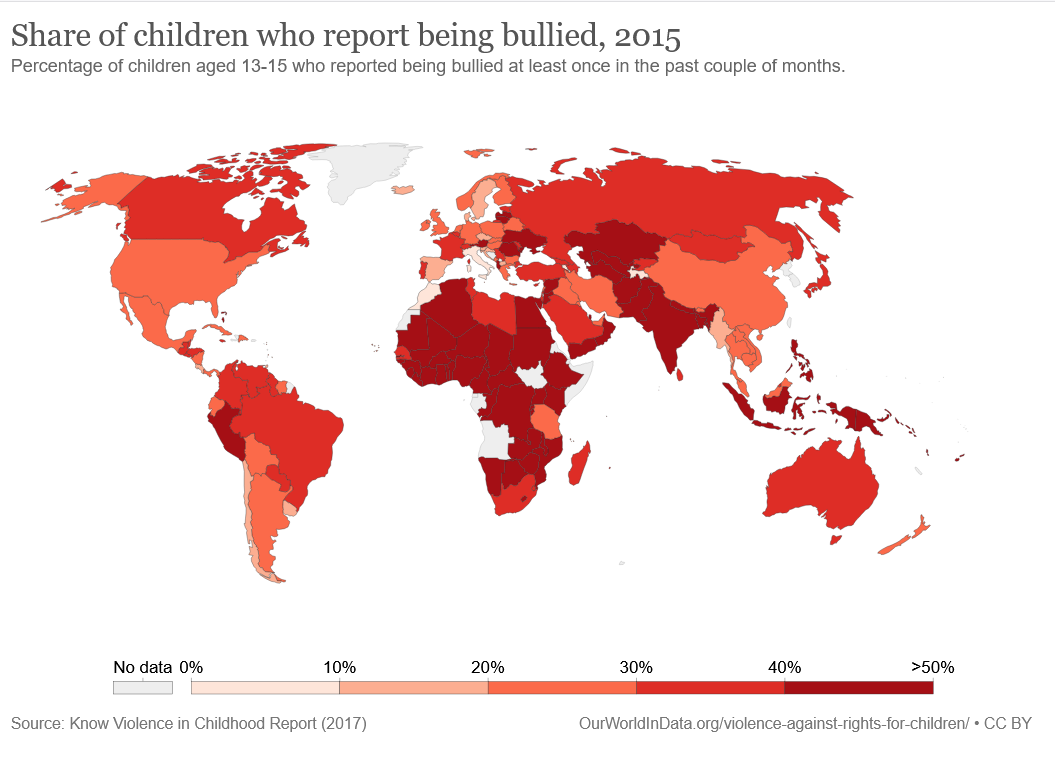
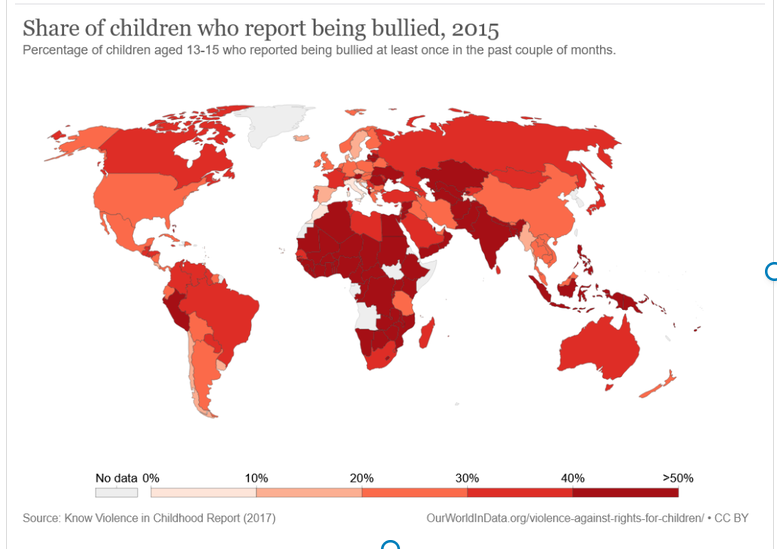
Where in the world are the bullies?

For my family, most of the bullying we have experienced has been in church or Christian social groups. Bullying is the opposite of what Jesus taught and the opposite of how we are called to live as Christians. I’m not bagging on Christians, but I am calling all of us, together, to do better.

Part of my own personal healing from the bullying my family has experienced has been doing a deep dive into the scriptures to see what God says about bullying, and I will say I was surprised by some of what I found. I was curious about the current research about bullying and interestingly enough, it mostly agreed with with scripture. I’ll be sharing what I have found with you over the next few weeks.

Geography and Cooking

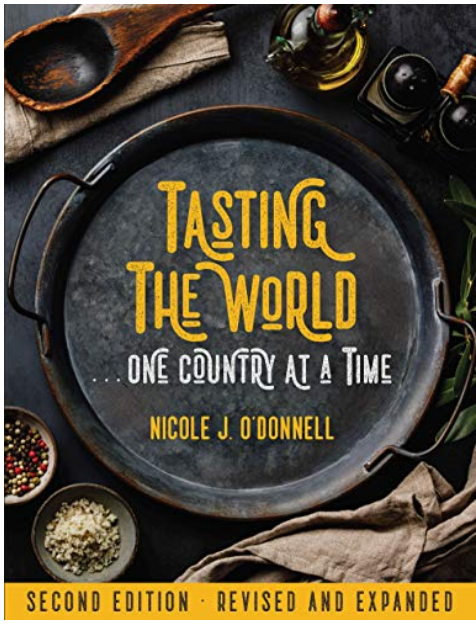
One really fun way to add interest to geography is to cook food that is from the area you are studying. There are many ways to find recipes for local food, but this book has made it so easy! What my family did was to pick a recipe once a month or once a week from the countries we were studying and the kids would help me shop and cook for the right ingredients for a (usually) delicious treat. What is one way you add interest to studying geography?

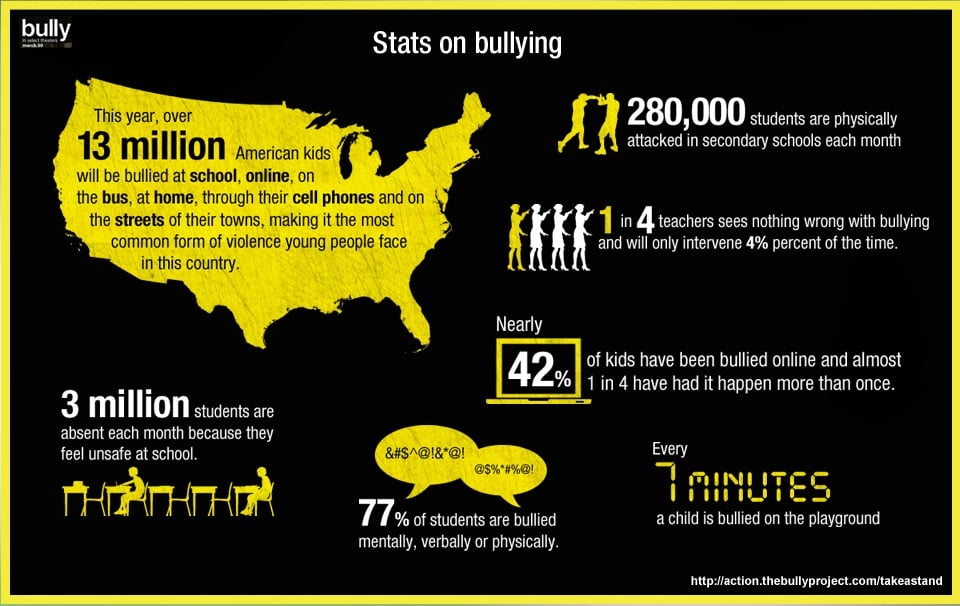
Bullying- how big is the problem, really?

Bullying can result in physical injury, social and emotional distress, self-harm, and even death. It also increases the risk for depression, anxiety, substance abuse, sleep difficulties, lower academic achievement, and dropping out of school for people who are the subject of bullying.

Youth who bully others are at increased risk for substance abuse, academic problems, and experiencing violence later in adolescence and adulthood. 

Youth who both bully others and are bullied themselves suffer the most serious consequences and are at greater risk for mental health and behavioral problems, in addition to all the other consequences.

The thing is, these descriptions don’t begin to paint a picture of the true cost of bullying in terms of relationships, growth, happiness, and even life. Bullying destroys young people’s confidence, curiosity, relationships, and all too often causes them to take their own life right when they are supposed to be learning and growing the most.

The cost is too high. We must act to change our culture to reduce and eliminate bullying, for our kids, and their future.

What do you mean, educational philosophy?

Photo by Esra Kaya on Pexels.com

When it comes to home educating your kids, your philosophy of education is probably the biggest of big ideas, and it will guide everything that happens in your kids education– even if you don’t know what it is or that you have one. Owch!

So lets talk a bit about what a philosophy of education is, and how to chose one that fits for your family, instead of just drifting along with whatever ideas happen to stick. An educational philosophy is like a compass. It describes your goal and how to get there. Charlotte Mason, Montessori, Classical Education, Waldorf, Unit Studies, Eclectic, and Unschooling are some of the philosophies of education that are popular among home educators. Here are some links that describe some educational philosophies:

https://simplycharlottemason.com/what-is-the-charlotte-mason-method/: What do you mean, educational philosophy? https://amshq.org/About-Montessori: What do you mean, educational philosophy? https://www.thehomeschoolmom.com/homeschooling-styles/waldorf-homeschooling/: What do you mean, educational philosophy? https://campfirecurriculums.com/unitstudy/: What do you mean, educational philosophy? https://www.prodigygame.com/main-en/blog/unschooling/: What do you mean, educational philosophy? https://fearlesshomeschool.com/eclectic-homeschooling/: What do you mean, educational philosophy?

So as you are reading through these links, I encourage you to branch out, find other web sites and books that talk about the big ideas of how to teach your kids, and look at what each philosophy values and how they accomplish instilling these things into children. As you read and see different things you will probably find yourself leaning toward certain ideas, and this is how you build your own philosophy. Where the values line up, where the goals speak to you, where you see ideas you know are true and you want to include, that’s where your personal philosophy starts, and you can start to apply the philosophy to your choice of methods and curriculum and educate on purpose.

Without having a philosophy of education we often get swept up in whatever new and shiney fads or ideas come by and we often don’t end up with the end result we wanted. So, share in the comments where are you in your journey with an educational philosophy?

Bullying

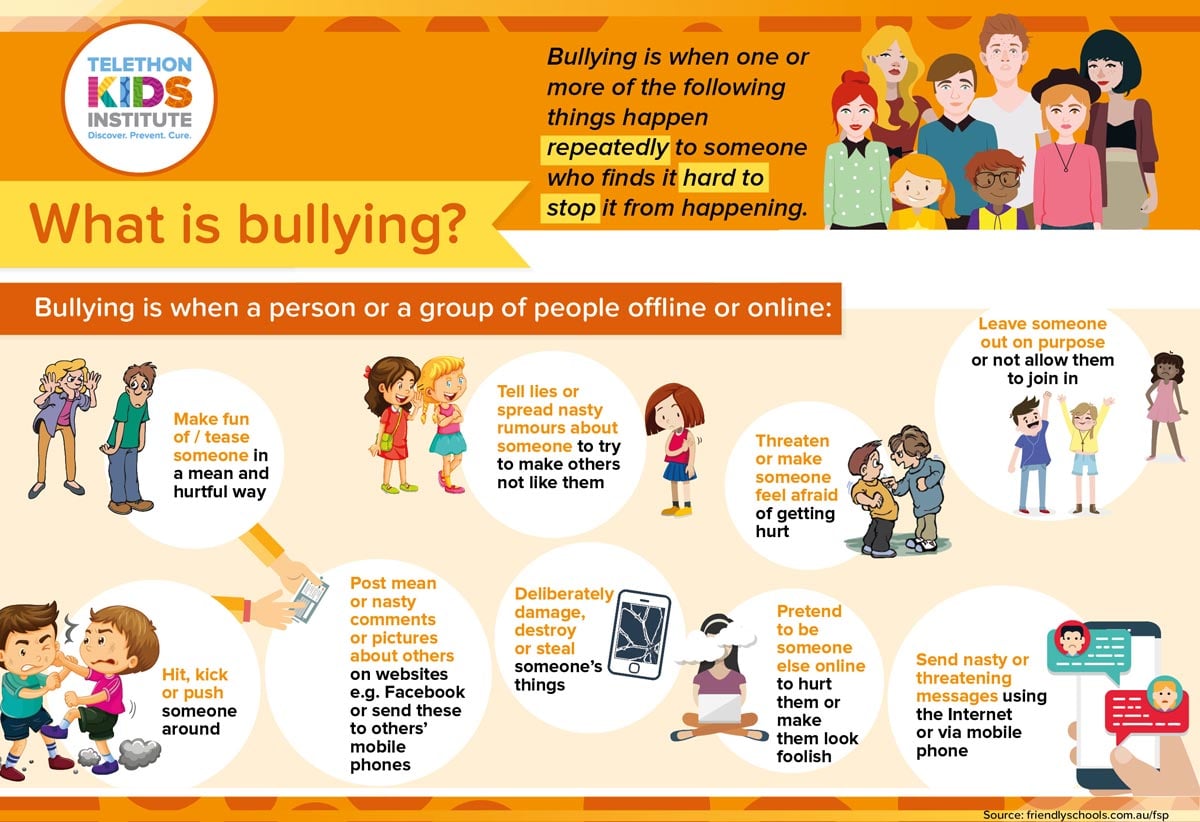
There seems to be another epidemic in our culture right now, and its effecting so many of our kids, even home educated kids. The first step in changing this is awareness, so we are doing our part in raising awareness bringing your accurate, helpful information.

Bullying can happen anywhere– schools, playgrounds, churches, home school groups, or other social settings, including text messaging, online and in apps. Anywhere you find people, there is a potential for bullying, even among adults. The CDC definition confines bullying to youth in school, but I have heard many stories of people bullied on the job, or other youth or adult social settings. Now that we know, we can find ways to do better.

Photo by Mikhail Nilov on Pexels.com

Schedules vs Routines

Photo by Karolina Grabowska on Pexels.com

Routine vs. Schedule, how do you plan your day and week with sooooo many different subjects to cover? How do you stay sane, and not miss important things? Careful planning can help make things flow smoothly and keep everything moving.

A schedule is when you do math at 9AM, PE at 9:40, then at 10:15 is reading. A routine is When you do breakfast and morning chores, and then Language Arts, Math and History in that order every morning.

For our family, schedules seemed to always make me feel like we were failing since something was always knocking us off track.

Routine is what works for my family. Also, the routine that works has been different in different stages. Right now my 2 kids are both in high school and what works for us is for me to give them a list of the required school work for the week and they do it on their own and show me when they are done, with the exception of our together subjects. I am putting our stuff together for next year and we will meet at 10AM with coffee/tea for bible, civics videos, poetry, and any other together subjects.

When they were just littles at 6-7 yo I anchored each subject to a part of our day that we already were doing so that when my little ADHD kiddos (or me!) got off track we could pick back up again with check points built into the day already. Read aloud history as they finished breakfast, then play time, handwriting practice after morning snack, then play time/outside, math after lunch, then play time, read aloud literature before nap, etc. It worked really well in those yearly years.

Eventually, as they became older elementary ages we had to change it up and do school in two blocks, morning and afternoon because it became to hard to get back on track when we had play time between each subject… even though that had been optimal when they were much younger.

So test is out and be ready to adjust to the needs of your kids as they change with age, and your own needs. It has to work for mama too. 🙂

What are you doing now for a schedule/routine, and how is it working for you? Let me know in the comments!